

Supporters' walk at Bishop Middleham Quarry Nature Reserve.
Wildlife walks from Tees to Tyne
Take a walk on the wild side and immerse yourself in nature with Durham Wildlife Trust.
The following five nature reserves offer walking routes through a selection of wetland, woodland, river-side and coastal habitats. Read more to view maps including walking routes (in red) and learn about the wildlife you may encounter.
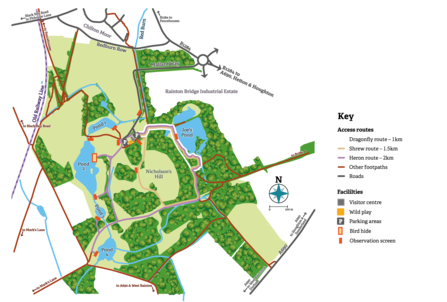
Rainton Meadows - Heron Route
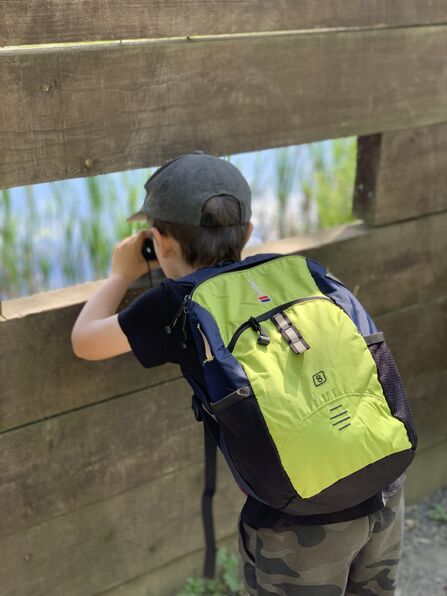
This 2.7km route passes each of the reserve's bird hides. Set beside bustling wetlands, each hide gives the perfect opportunity to spot some of the 200 bird species recorded at Rainton.
Spring migration is known as the great rush north, as birds return to their northerly breeding grounds following a winter spent in milder regions further south. If you were to visit Rainton Meadows at this time of year, you may spot birds such as chiffchaffs, willow warblers, swallows and cuckoos.
Whilst by the lakes, see if you can spot frogspawn or tadpoles - depending on which month in spring you decide to visit! Scrapes - shallow pools of water which dry in the summer months - are also great places to spot frogspawn at Rainton. Whilst dragonflies and damselflies thrive across this wetland reserve in the spring and summer.

Joe's Pond and Rainton Meadows aerial view. Photo by Michael Williams.

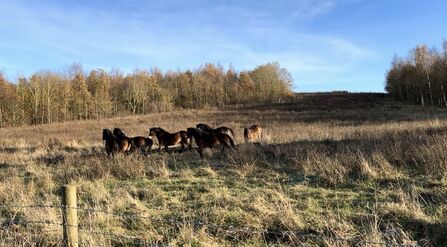
The new Exmoor ponies join the herd at Rainton Meadows.
Low Barns Nature Reserve - Peace in our Time Sculpture Trail
One of our region’s most important wildlife sites, this wetland reserve, bordered by the River Wear, also contains mixed woodlands and species rich grasslands. The site’s flat terrain and large accessible bird hides make it an ideal place to visit for everyone.
The Peace in our Time Sculpture Trail was created in memory of David Peace, one of our colleagues at Durham Wildlife Trust. Collect a free map of the sculpture trail from Low Barns Visitor Centre and explore this Site of Special Scientific Interest while searching for wildlife-inspired works of art.
This nature reserve is alive with the sound of bird song and the board-walk through the reedbeds is the perfect spot to immerse yourself in nature's chorus.
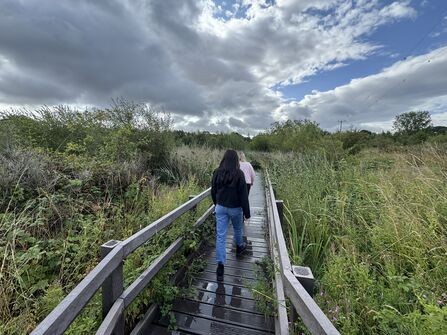
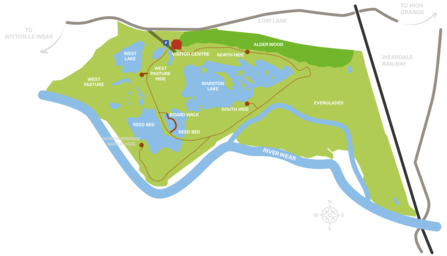
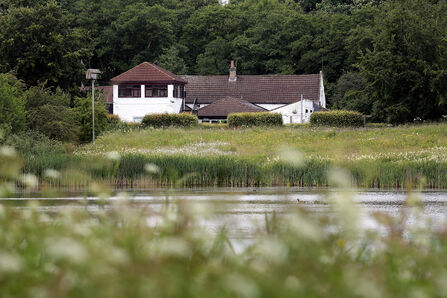
Low Barns Nature Reserve and Visitor Centre (c) Paul Norris

Low Barns coffee shop (c) Laura Beasley
Hannah's Meadow
This 1 ¾ mile circular route forms part of the Pennine Way, passing beside High Birk Hat Farm. Follow the track alongside landscape blanketed in wildflower meadows and visit Hannah's Barn - now a mini-museum - to learn more about the history of this wild place!
Hannah's Meadow is home to 120 plant species including ragged-robin and devil's-bit scabius. These wildflowers support a wealth of pollinators such as the meadow brown butterfly and common blue.
However, butterflies aren't the only winged wildlife which thrive at this reserve. Barn owls, kestrels, swallows and house martins are among the many birds which breed at Hannah's Meadow, along with lapwing and skylarks - two species which rely heavily on this particular type of habitat.
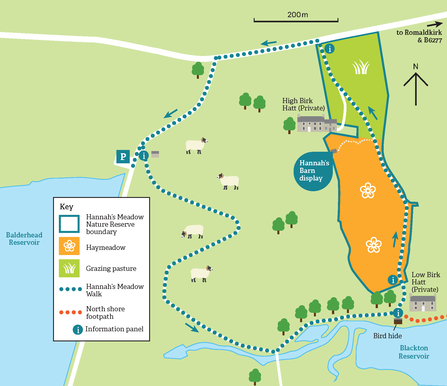
Hannah's Meadow walk route
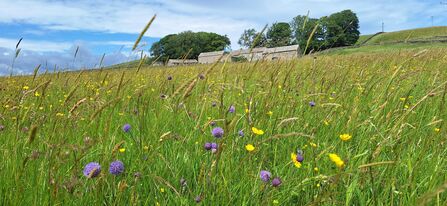
Hannah's Meadow 2025 (c) Andy Wadds

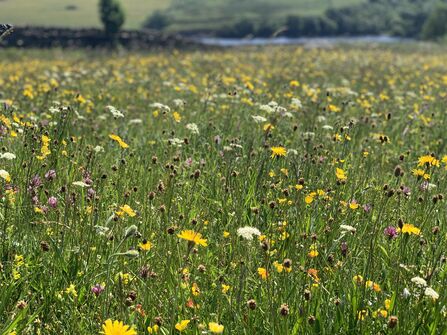
Hannah's Meadow
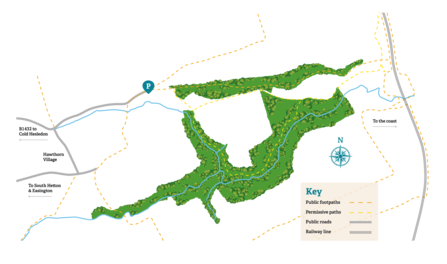
Hawthorn Dene - Circular Route
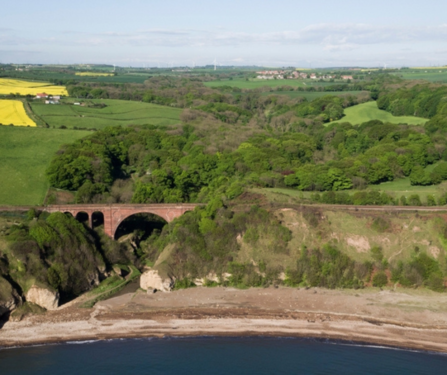
Hawthorn Dene is a wonderful choice for a spring-time walk, as ancient woodland flowers such as ramsons, bluebells and the scarcer herb-Paris cover the woodland floor. You may also come across rarer species such as the bird's nest orchid.
Keep an eye out for birds such as the great spotted woodpecker nesting in the ancient woodland here. If you don't happen to see a woodpecker, you might instead hear them 'drumming' on tree trunks to impress potential mates and to intimidate rivals.
The terrain along this route is mixed, with a surfaced pathway around the top but some steep steps as you descend through the Dene.
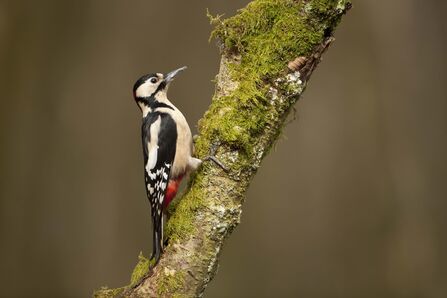
Great spotted woodpecker © Mark Hamblin/2020VISION
Digital walking trail routes
To help people discover everything that our area has to offer, the Discover Brightwater Partnership created a series of 13 walking trail routes to explore.
You can explore more local walking routes on the Discover Brightwater eco-museum.