
How do you know that something you have done for nature has actually worked? You dig a pond, plant a hedge or rewet a field, and a year later the frogs and insects arrive. But would they have come anyway? Would a different approach have brought them back faster?
That simple question took three of us from Durham Wildlife Trust across the Pennines this October. Mark Dinning, our Ecology Manager, Bill Oxbury, our Chair of Trustees, and I (Harriet Palin, Development Officer: Grants & Trusts) joined colleagues from Wildlife Trusts all over the UK for the very first Evidence and Research Forum, a full day of talks, workshops and plenty of cake dedicated to finding out what works for nature and sharing it with each other.
A village that floats
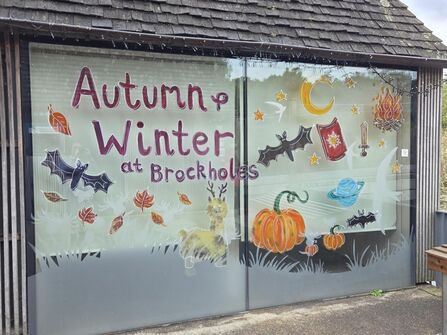
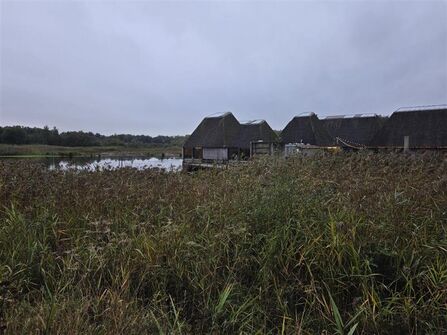
Our hosts for the day were The Wildlife Trust for Lancashire, Manchester and North Merseyside at Brockholes, just outside Preston. If you have never been, it is well worth the trip. What was once a sand and gravel quarry beside the River Ribble is now 250 hectares of lakes, reedbeds, wildflower meadows and woodland, and at its heart sits an award-winning Visitor Village that genuinely floats on the water.
As someone who works from Rainton Meadows, itself a nature reserve created on former opencast mining land, I found it hard not to feel a sense of kinship. Both places show what can happen when land that has been worked hard is given back to wildlife.