Reed all about it

Reed all about it

Removing the invading willow at Low Barns Nature Reserve

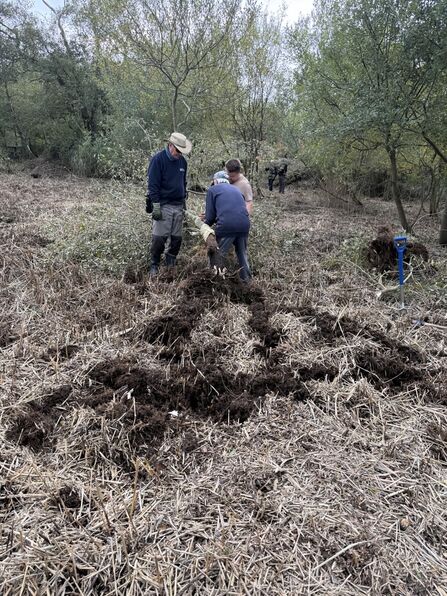
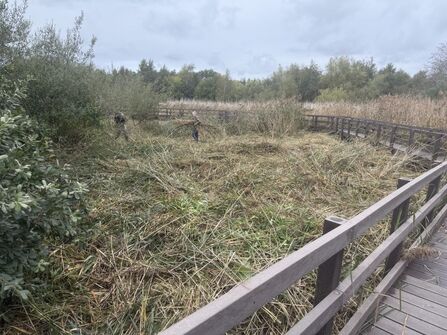
Volunteers at Low Barns Nature Reserve have been wading into the wetlands to cut back reeds, helping keep this rare habitat healthy and thriving. Their muddy work ensures reedbeds stay open, wet, and full of life for the birds that depend on them.

Volunteers at Low Barns Nature Reserve, near Witton-le-Wear, have been busy over recent weeks, wading into the reedbeds with cutters and rakes. To a passer-by it might look as though we are clearing away a perfectly good habitat. In fact, this cut is one of the most important jobs we do to keep the reedbed healthy for years to come.

The reedbeds are cut back every few years to renew the growth and vigour of the Norfolk reed (Phragmites australis). 
Why do we cut the reeds?

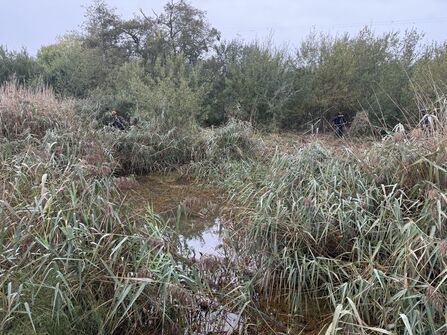
Left alone, a reedbed slowly changes into something else. Every year the old reed stems die back and fall, building up a thick layer of dead leaf litter. Over time this litter raises the ground level and dries the reedbed out.

As it dries, willow and other scrub start to move in. Eventually the open reedbed becomes wet woodland, and the specialist wildlife that depends on reeds is lost. This natural process is called succession.

Cutting the reeds and removing the material puts the brakes on natural succession. It:

  • removes the old, dead stems and the build-up of litter
  • encourages strong, dense new shoots the following spring
  • keeps the reedbed wet and open
  • stops scrub from establishing within the reedbed 

We don't cut the whole reedbed at once. By working in sections over a few years, we always leave areas of older, uncut reed. These give shelter to insects and other wildlife through the winter and provide nesting cover for birds the following spring. The result is a mosaic of growth stages, which supports the most diverse range of wildlife.

A volunteer stands on a large pile of cut reeds, holding a long-handled rake. He wears gloves, a cap, and outdoor work clothes, surrounded by heaps of vegetation and trees under a cloudy sky — part of reedbed management at a nature reserve.

The reed stack removed at Low Barns.

Species that benefit from this conservation work

Reedbeds are a scarce habitat, and a healthy one supports special birds, such as:

Reed warbler.  Summer visitor to the UK, this small brown warbler weaves its nest as a sling between two or three reed stems, and lays three to five eggs in it. They need dense, healthy stands of reed to breed.

Sedge warbler. Another summer visitor, this medium-sized warbler of marshes, reedbeds and wetlands that can be spotted singing from perches on reeds and willow bushes

Bearded tit. The bearded tit is a small bird with a long tail that is mainly found in large reedbeds where it feeds on insects and reed seeds. It builds its nest low down among the reeds, often on piles of dead reed stems.

Bittern. The shy and retiring bittern is a master of blending in and can be very difficult to spot in its reedbed home. However, when it calls it sounds like a booming foghorn, so can often be heard even if it cannot be seen.

By keeping the reedbed wet, vigorous and varied, we give all of these birds the best chance of finding food, shelter and safe places to nest.

A smiling volunteer stands knee‑deep in a reedbed pond, wearing waders and holding a tall reed stem. Behind him, a wooden boardwalk stretches across the wetland, surrounded by autumn trees and golden reeds under a cloudy sky — part of reedbed management work at a nature reserve.

The final straw!

Thank you to our volunteers

Reed cutting is wet, muddy and hard work, and we couldn't do it without our dedicated volunteers. A huge thank you to everyone who has helped this season.

Next spring, when the reed warblers and sedge warblers return to Low Barns, the fresh green growth will be the result of their efforts. Why not visit and listen out for them? Plan your visit.

If you'd like to get stuck in with practical conservation, we'd love to hear from you. Take a look at our volunteering opportunities to find out how you can help.