Talking fields: lessons from a summer with farmers

Talking fields: lessons from a summer with farmers

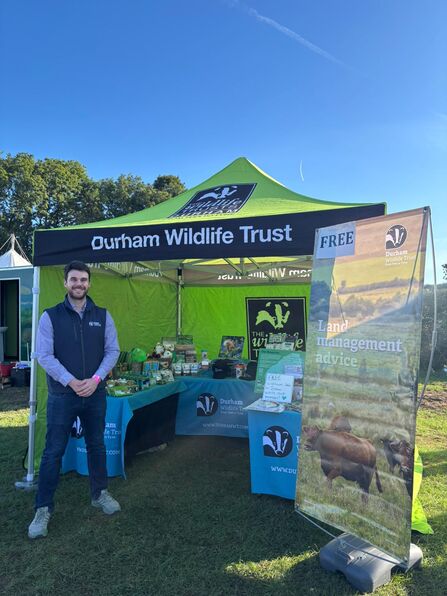
Durham Wildlife Trust land advice stand at Weardale Show.

As summer draws to a close and the fields start to quieten, our Land Advice Manager, Stephen, looks back on show ground conversations with farmers, smallholders and land managers across the North East.

As the nights start to draw in and the seasons shift, my focus as a farm and land advisor also changes. 

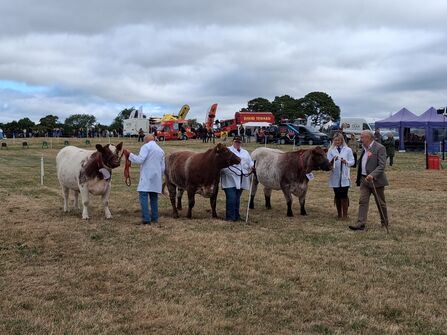
This summer, I have spoken to a host of smallholders, livestock farmers, arable farmers, woodland owners, and equestrian businesses at agricultural shows and local events across the North-east. 

Now feels to me to be a good time to pause and reflect on what I heard this year. 

Making land work for wildlife and business

It has undoubtably been a challenging year for British farming, between the rising cost of production, livestock diseases, and drought. However, many people also told me about the work that they're already doing for wildlife and are rightly incredibly proud of. In terms of landscape and the environment some shared concerns over water and shade availability, wild bird population declines, and the future resilience of their land. 

Repeatedly, similar themes came up: how do I know if what I'm doing for wildlife is working? where would be appropriate to plant hedges or scrub? how can ponds and wet areas can sit alongside food production? how to make sense of a changing funding landscape?

The need for stable funding options supporting both environment and production outcomes was firmly stated, as was needing access to local and independent advice and support.
Prepare to succeed

This is where I hope to help. Daily, I see how well-planned changes and adaptations can support wildlife while also benefiting farm businesses; improving shelter, water management, soil health and land resilience.  The current challenge is joining all the dots.

The main source of agri-environment public funding nationally, the Sustainable Farming Incentive reopened this week and promptly closed six hours later, with demand far outstripping supply. Leaving many feeling many feeling frustrated.

Now is the time to have a clear, deliverable environmental plan which makes sense for your business and your land.

What remains open for applications now is a unique, but limited, opportunity for farmers to access funding from Countryside Stewardship Higher Tier. The focus here is to restore or manage species-rich grassland, normally with aid of livestock and hay cuts, along with a small selection of other options.

Corporate funding, supply chain incentives, charitable grants, The Farmer Collaboration Fund, Biodiversity Net Gain and Local Nature Recovery Strategies in County Durham, Tyne and Wear and Tees Valley all also offer potential opportunities for farmers going forward. 

Let’s talk about your land

Whether you are thinking about funding options, gathering information or looking at specific site improvements, an initial conversation can help turn ideas into practical next steps. 

If you farm or manage land in County Durham, Darlington, Gateshead, Sunderland or South Tyneside, Contact us about free, local, independent advice about your land.

Find out more.