With more than 430 volunteers regularly taking action for nature, this has been one of our most inspiring and impactful years yet! We were thrilled to see our volunteer community continue to grow this year, welcoming 210 new volunteers who joined us for the first time! Collectively, volunteers have contributed an outstanding 28,324 hours across Durham Wildlife Trust during 2025. We extend our heartfelt appreciation to each one of you – for your time, passion, and commitment to conserving local wildlife. We simply couldn’t achieve the conservation impact that we do without your support and contributions!
Let’s take a closer look at some of the highlights that made 2025 an unforgettable year for volunteering.
Our task force volunteers are instrumental in helping the Trust to manage our 53+ nature reserves from Tyne to Tees. From scrub clearance and hedge laying, to meadow management and invasive species control, these conservation champions have worked tirelessly again this year to maintain our wild spaces. Very excitingly, volunteers began our first piece of work on the new land at Rainton Meadows Nature Reserve, which involved repairing the fencing to secure the boundary! Conservation grazing will be implemented on the new land to support the creation of species-rich grasslands.
A wilder year of volunteering: 2025 roundup

Volunteers at Cuthbert's Moor Nature Reserve
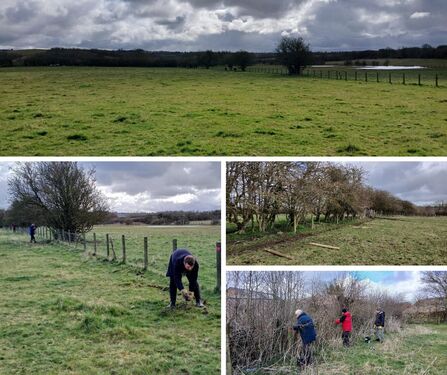
Volunteers out on 'task' on the new land at Rainton Meadows.
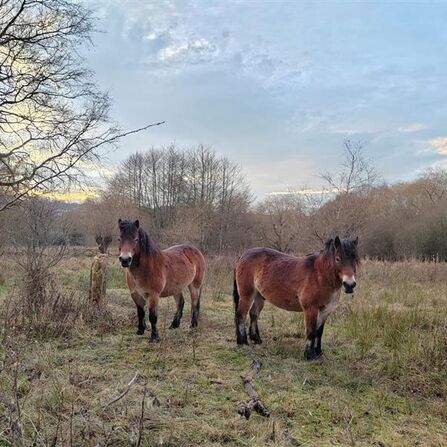
Exmoor ponies
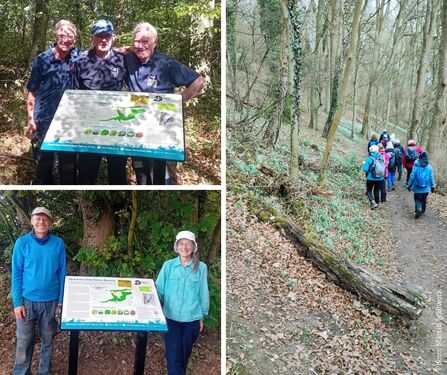
Volunteers and visitors at Hawthorn Dene Nature Reserve
As the Trust continues to grow, a huge shout-out also goes to our fantastic team of volunteer pony wardens and reserve rangers, who continue to monitor our 53+ sites year-round. They ensure that our nature reserves are in safe and good condition for visitors and wildlife, and monitor our herd of 14 Exmoor ponies on the reserves they graze. In 2025, our rangers have engaged more than 250 site visitors, collected more than 110 bags of litter, and have identified more than 150 different species of bird, plant, tree, mammal, amphibian, insect and fungi.
2025 also marked the first anniversary of Links with Nature - a project focused on connecting people and wildlife across 12 greenspaces in the coalfields. Progress so far includes 5,124 metres of footpath improvements, the planting of 6,146 trees, the creation of 16 new wetlands, and much more – supported by in excess of 3,520 volunteer hours!
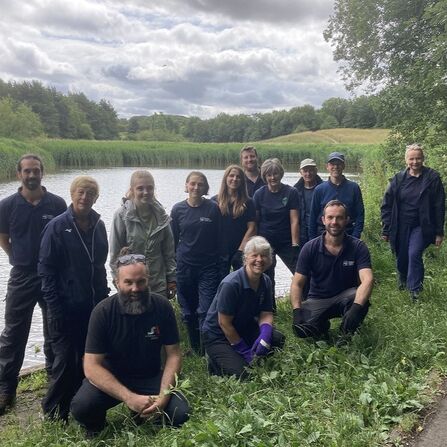
Links with Nature volunteers
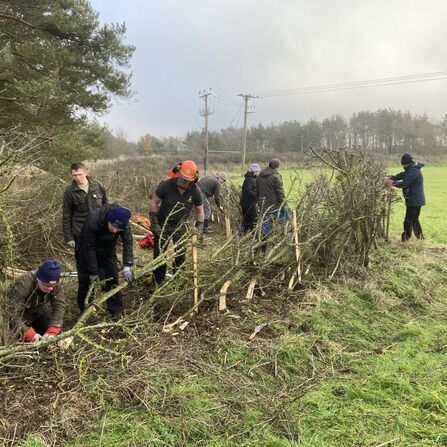
Volunteers hedge making
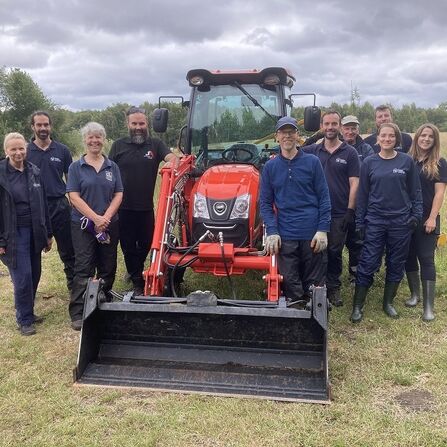
Links with Nature volunteers with tractor
From woodlands and meadows, to coastal grasslands and sandy shores, our volunteers have been busy protecting nature across a range of habitats! This year, volunteers joined Durham Wildlife Trust and the Heritage Coast Partnership to collect 2,047 bags of litter across 117 beach cleans, helping to keep the North East coastline clean. Alongside these cleans, volunteers have engaged in citizen science activities including litter surveys, microplastic surveys, and nurdle hunts. This valuable data helps to build a bigger picture of the state of our beaches, contributing to national efforts to monitor and protect marine ecosystems.
As part of the Coastal Grasslands Reconnected project, volunteer efforts have extended beyond the beach to restore, enhance, and monitor the biodiversity of grasslands along the Durham Coast. Volunteers have taken part in a range of citizen science activities, including coastal bird ID surveys and harvest mouse surveys, to record species in these habitats, whilst practical work such as hedge restoration and tree planting has helped to improve connectivity and create a mosaic of habitats.
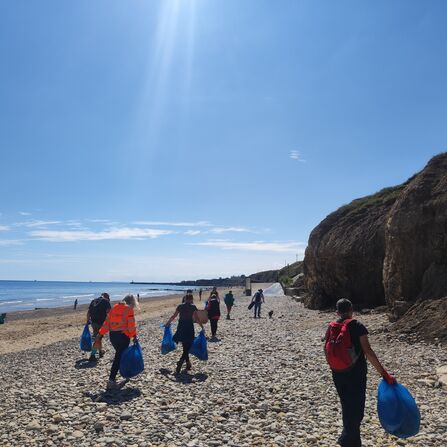
Volunteers on beach clean
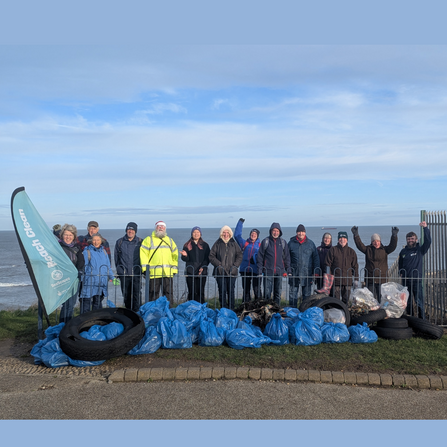
Beach clean volunteers with their collected litter
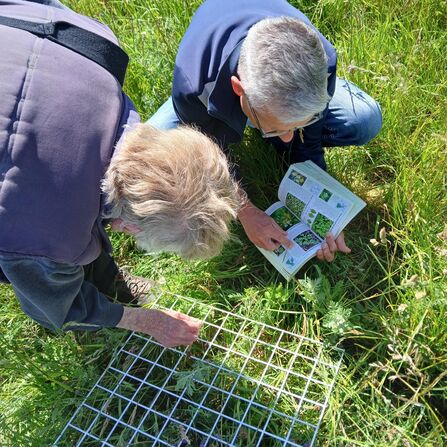
Volunteers surveying grassland
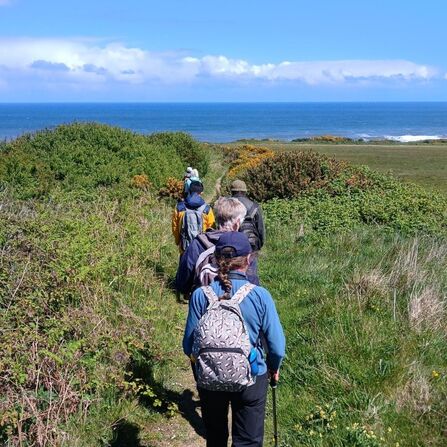
Group of people on coastal walk
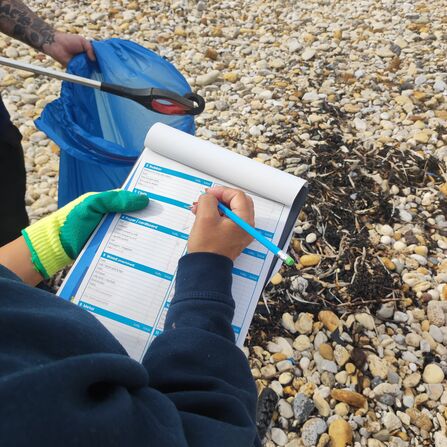
Volunteers carrying out beach clean survey
This year also saw the launch of the Durham Swift City project, with incredible volunteer support to install swift boxes across Durham, and raise awareness of swift declines. Due to decreases in suitable nesting sites, swift populations have declined by more than 68% in the last 30 years. Thanks to very generous donations from our supporters and other charitable groups earlier this year, and dedicated volunteers, October marked the exciting installation of our very first swift box! Work is ongoing to install swift boxes in church louvres, and swift calls will be played in the hope of attracting swifts to these new nesting sites.
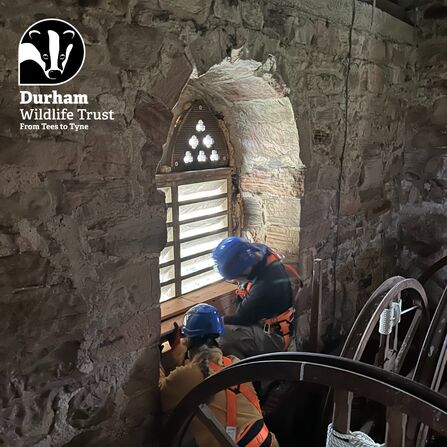
Volunteers adding swift boxes to church tower
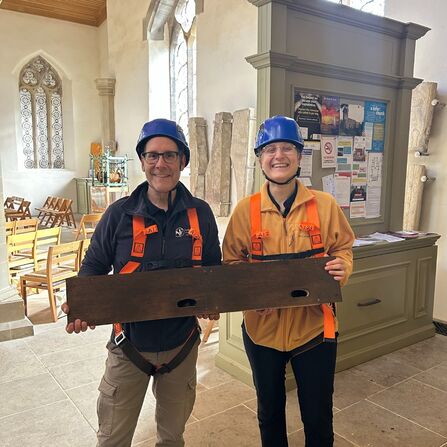
Volunteers with swift boxes in church
Finally, a huge thank you to all the corporate groups who have enthusiastically embraced our Wild Working offer; swapping the office for the outdoors in 2025. From meadow management to invasive species control, several corporate groups have engaged their teams in hands-on conservation activities and nurtured employee wellbeing through meaningful experiences in nature.
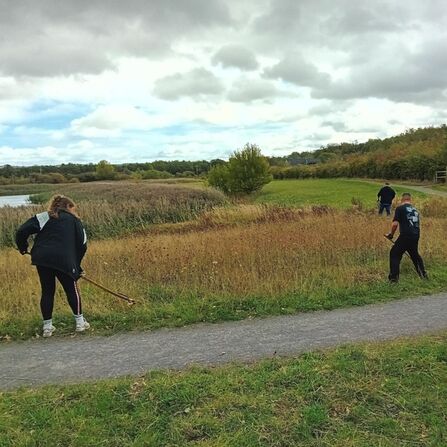
Corporate volunteers scything
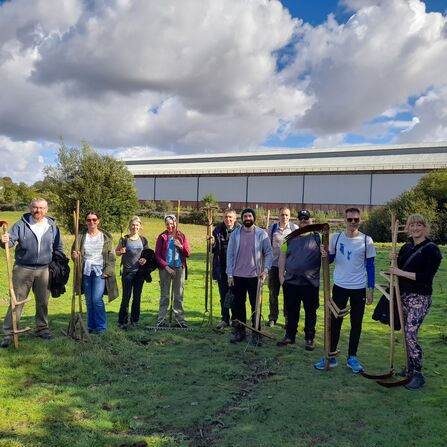
Corporate volunteer group
Looking ahead: A call to action for 2026
Volunteers are at the heart of everything the Trust does, from supporting the management of reserves to overseeing how the charity is managed. Looking ahead to 2026, we invite you to join us in making an even greater impact. Whether it’s getting involved with our volunteering opportunities, wild working with your team, or helping us to reach even more supporters by spreading the word and sharing our mission, your contributions are invaluable.
