
There is a quietly hopeful piece of science behind everything we did this year. According to the 2024 Lancet Commission on dementia prevention, around forty-five per cent of dementia cases worldwide could be prevented or delayed by addressing fourteen modifiable lifestyle and health factors — among them physical inactivity, social isolation, hearing loss, depression, and high blood pressure. Almost all of these things are made better by getting outside, moving, and spending time with other people.
That hopeful idea is the foundation of Wild About Brain Health, a programme of nature-based workshops we have delivered at Durham Wildlife Trust over the past year, generously funded by Alzheimer’s Research UK’s Inspire Fund. Drawing on Alzheimer’s Research UK’s wider Think Brain Health campaign, we built the programme around three simple, science-backed ideas: that what is good for the heart is good for the brain, that cognitive challenge and novelty build resilience, and that strong social connection is one of the most powerful protective factors of all.
Across thirteen sessions, between June 2025 and April 2026, we set out to do three things: get people moving, get people thinking, and get people talking to each other — in the woods, in meadows, around ponds, and beside a small fire.
Heart, head, and the company you keep
We themed our year around three pillars of brain health, turning science into hands-on fun:
- Heart: Because what’s good for your pulse is great for your brain.
- Brain: Because learning a new skill (like identifying a tricky fungus!) builds mental resilience.
- Social: Because a chat over a campfire is one of the best ways to beat isolation.
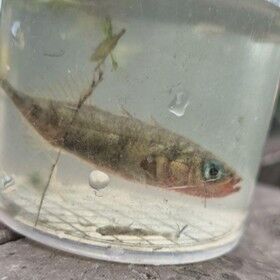
Our calendar was packed! We went from summer pond-dipping to autumn fungi foraging, and from building cosy shelters in the rain to constructing 'dead-hedges' in the February frost. We even finished the year by getting stuck into some 'wild gardening', building a beautiful rain garden from scratch.